English| EUR
Suggested for you
More currencies
Choose a language
Copenhagen's food culture balances centuries-old tradition with cutting-edge reinvention. The city's signature dishes range from rye-bread open sandwiches served in century-old lunch halls to Michelin-starred tasting menus that redefined how the world thinks about Nordic ingredients. This guide answers what food Copenhagen is known for and explains where each tradition comes from.
Quick answer
Copenhagen is known for smørrebrød—elaborately topped open-face sandwiches on dense rye bread—served at traditional lunch restaurants between 11:30 and 14:00. The city also claims Danish pastries (wienerbrød), New Nordic cuisine pioneered by restaurants like Noma, and pølsevogne hot dog stands that have operated since the 1920s. No entrance fee applies to the city's culinary culture; individual food items vary in price.
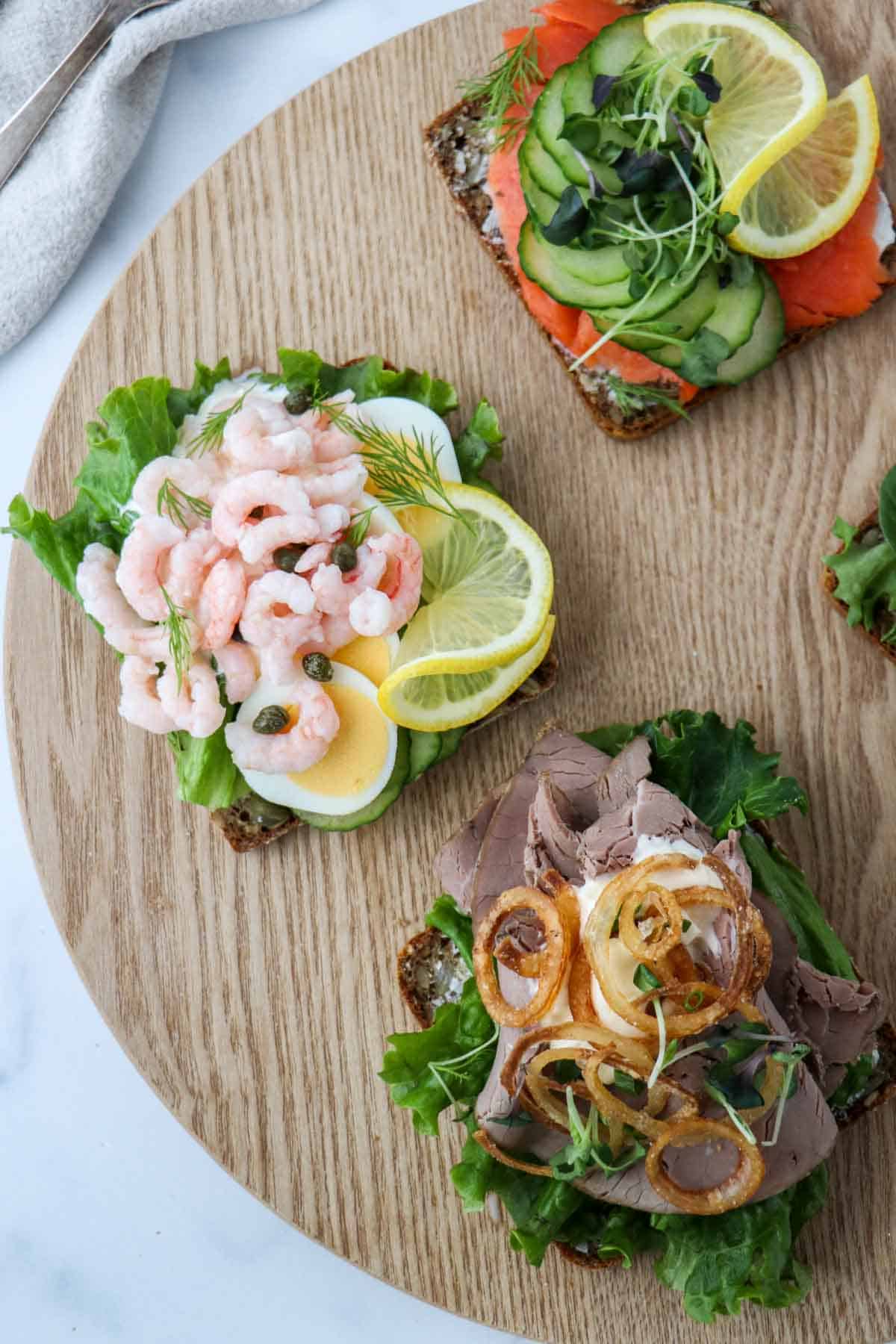
The herring pickled in twenty-three different marinades at Restaurant Schønnemann has been prepared the same way since 1877. That continuity defines what food Copenhagen is known for: a culinary identity built on preservation, seasonality, and an insistence that simple ingredients deserve meticulous care. The city's food scene operates on two parallel tracks—one rooted in working-class lunch counters and bakeries, the other in the New Nordic movement that turned foraged moss and fermented grains into a global phenomenon. Smørrebrød anchors the traditional side. These open sandwiches start with rugbrød, a dark sourdough rye bread so dense it's sliced thin, then layered with pickled herring, hand-peeled shrimp, roast pork with crackling, or leverpostej—a smooth liver pâté. Toppings follow strict conventions: fried plaice comes with remoulade and lemon, never mayonnaise; roast beef pairs with crispy onions and horseradish. The dish was originally a way to preserve leftover meats and fish through vinegar and salt, and it remains the centerpiece of frokost, the midday meal that Copenhageners still treat as the main event. Wienerbrød, mistranslated as Danish pastry, arrived from Vienna in the 1850s when Danish bakers went on strike and Austrian replacements brought laminated dough techniques. The result—buttery, flaky, and filled with remonce (a butter-sugar-marzipan paste)—became a breakfast institution, sold from bakeries that open before dawn. The New Nordic movement, formalized in a 2004 manifesto signed by twelve chefs, reoriented Copenhagen cuisine around hyperlocal sourcing and techniques borrowed from preservation rather than French haute cuisine. Restaurants embraced pickling, smoking, and fermenting, and menus began listing sea buckthorn, elderflower, and wood sorrel alongside game and cold-water fish. The shift influenced how the city thinks about ingredients: even casual bistros now specify the origin of their butter and the name of the farm that raised the pork. Pølsevogne—mobile hot dog carts licensed by the city—occupy their own category, serving ristet (toasted bun) or Fransk (baguette) hot dogs with remoulade, mustard, and crispy fried onions. The carts were introduced in 1921 to provide affordable meals during economic hardship, and many stands have been run by the same families for three generations. Copenhagen's food identity resists simplification. It is both the three-hour lunch at a linen-draped table and the two-minute transaction at a harbor-side cart. The best arrival window for traditional smørrebrød service is 11:30 to 14:00, when lunch kitchens are in full operation and toppings are prepared to order. The city's culinary culture requires no entrance fee, though individual experiences range from a 40-krone hot dog to a multi-course tasting menu.
“Smørrebrød was originally a way to preserve leftover meats and fish through vinegar and salt, and it remains the centerpiece of the midday meal that Copenhageners still treat as the main event.”
Copenhagen is defined by the evolution of New Nordic cuisine alongside long-standing traditions such as smørrebrød and artisan baking. Visitors can explore these flavors from historic city center restaurants to modern waterfront food markets.
market
An upscale glass-enclosed market located near Nørreport station featuring local produce, open-faced sandwiches, and specialty coffee.
restaurant
A traditional establishment in the city center specializing in classic smørrebrød served on rye bread with various toppings.
street
A seasonal waterside street food area in Refshaleøen offering diverse global and local dishes with communal outdoor seating.
café
One of the oldest bakeries in Copenhagen located in the Latin Quarter known for its traditional cinnamon rolls and varied breads.
The optimal window to experience traditional Danish culinary culture is daily between 11:30–14:00, which aligns with the city's traditional lunch service for smørrebrød. Visiting during this specific time ensures access to freshly prepared open-faced sandwiches when local kitchens are at their peak operation.
Mild, 12°C to 18°C. Access local asparagus and early berries during this pleasant period.
Warm, 15°C to 22°C. Enjoy outdoor dining and peak seasonal produce like strawberries and new potatoes.
Cool, 8°C to 14°C. Experience harvest-focused menus featuring root vegetables, mushrooms, and game.
—
This daily interval provides the most authentic experience for traditional smørrebrød service.
Verdict: The best time to experience Copenhagen's food scene is during the lunch window of 11:30–14:00, ideally in May or September for a balance of seasonal ingredients and manageable crowds.
Copenhagen culinary experiences are available throughout the week to accommodate your exploration of the city's food culture. The city remains accessible daily for those interested in local dining and markets.
Exploring the culinary culture of Copenhagen requires no admission fee, as the city itself serves as the venue for its dining scene. Individual costs for food items vary significantly depending on the establishment and type of cuisine.
Verdict: A visitor pays 0 DKK for general access, with total expenditure determined solely by individual food choices.
Navigating the Copenhagen food scene requires understanding local customs to experience the city's culinary culture effectively.
Smørrebrød is traditionally eaten with a knife and fork rather than your hands. Order in a sequence of fish first, followed by meat and cheese, as this is the standard progression for a lunch service.
Many popular bakeries operate a ticket system or a mental queue, so observe the entrance for a dispenser or ask others if they are waiting. Arriving early ensures you get the fresh selection before the most popular sourdough items sell out.
High-end eateries and traditional lunch spots often book out weeks in advance for weekend service. Check the official site https://www.visitcopenhagen.com to find links to reputable establishments and book your table well before your arrival.
Danish service is generally relaxed and waitstaff may not check on you frequently. Signal clearly when you are ready for the bill rather than waiting for them to bring it automatically.
Danes take coffee seriously and expect high quality in even the smallest cafes. Order a filter coffee if you want the local staple, or specify a flat white if you prefer espresso-based drinks.
Everything you need to know about what food is copenhagen known for
Copenhagen is renowned for its innovative New Nordic cuisine and traditional staples. Visitors often ask what food is Copenhagen known for, with smørrebrød being the most iconic open-faced sandwich. Exploring the local gastronomy is a highlight of any trip to Denmark. Many travelers wonder what food is Copenhagen known for when planning their itineraries. The city's food culture emphasizes seasonal, locally sourced ingredients that define its culinary identity. The best arrival window to experience traditional lunch service for smørrebrød is 11:30–14:00. This timing ensures you capture the peak freshness of daily prepared ingredients. There is 0 DKK entrance fee for the city's culinary culture, though food items vary in price. Accessing local markets and dining venues is open to everyone, making it easy to explore the region's diverse offerings. Beyond the classic open-faced sandwich, the city is famous for its world-class bakery culture and high-quality seafood. When researching what food is Copenhagen known for, consider sampling Danish pastries, known locally as wienerbrød. Fine dining establishments also highlight the region's focus on foraging and sustainable practices. Dining in the city is generally casual and friendly, though reservations are recommended for popular spots. Tipping is not mandatory as service is typically included, but rounding up the bill for exceptional service is appreciated. Enjoying meals at a relaxed pace is common throughout the local culture. Street food culture thrives in hubs like Reffen, offering global flavors alongside local favorites. While exploring what food is Copenhagen known for, these vibrant outdoor spaces provide a communal atmosphere near the waterfront. They are perfect for casual dining during the summer season.
Best Rated Copenhagen Food Tours
Read more Tickets & toursCopenhagen Private Food Tours
Read more Tickets & toursCopenhagen Food Tours With Kids
Read more Tickets & toursCopenhagen Food Bike Tours
Read more Tickets & toursCopenhagen Boat Tour With Food
Read more Tickets & toursCopenhagen Pastry Food Tours
Read more GuideEating in Copenhagen on a Budget
Read more